Why People Were Thinner in the 1970s
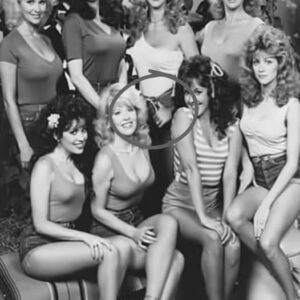
There was a time, not long ago, when widespread obesity was rare. Look through family albums from the 1970s. Most people appeared leaner, more active, and physically balanced.
This wasn’t due to strict diets or exceptional willpower. Instead, daily life itself encouraged movement, routine, and balance.
Movement Was Part of Everyday Life
In the 1970s, many families owned just one car—or none at all. As a result, people walked everywhere.
They walked to school. They walked to work. They walked to shops and friends’ homes. Not for exercise, but out of necessity.
Children spent hours outdoors. They ran, climbed, and played. Movement happened naturally, all day long.
Food Stayed Simple and Mostly Unprocessed
Most meals came from basic ingredients. People cooked with vegetables, eggs, meat, milk, and fruit.
Ultra-processed foods were rare. Cooking took time and effort. Even preparing meals required physical activity.
In general:
- Sugar was used sparingly
- Fats were less refined
- Portions stayed modest
- People ate when hungry, not out of stress or boredom
Eating Followed a Clear Routine
Most people ate three meals a day. Breakfast. Lunch. Dinner.
Snacking was uncommon. Vending machines and constant treats didn’t dominate daily life. As a result, the body learned when to expect food—and when to rest.
Portions Were Smaller by Default
Soft drinks came in small bottles. Plates weren’t overloaded. There were no “supersized” options.
Food served a purpose. It nourished the body instead of overwhelming it.
Screens Didn’t Dominate the Day
Television had set programs and schedules. When a show ended, the screen went off.
Children watched briefly, then went outside. Families ate meals at the table, without distractions.
Today, many people spend over ten hours a day on screens. Back then, screen time took up only a small fraction of the day.
People Didn’t Use Food to Manage Stress
News alerts, constant notifications, and digital overload didn’t exist. Stress still happened, but it wasn’t nonstop.
When people felt overwhelmed, they walked, talked, or stayed busy with hands-on tasks. Sleep quality was often better, which helped regulate appetite and energy levels.
Work Required More Physical Effort
Even office jobs involved movement. Workers walked between rooms, climbed stairs, and carried paperwork.
At the same time, manual labor was more common. For many, physical activity was built directly into the workday.
Boredom Led to Action, Not Sitting
There were no phones in pockets. When boredom hit, people moved.
They went outside. They visited neighbors. They found something to do. Boredom encouraged activity, not stillness.
The Reality Many People Avoid
People in the 1970s weren’t more disciplined. They lived in an environment that supported balance.
Today’s world promotes sitting, constant eating, and endless screen time. Naturally, the body responds to that shift.
What Still Works Today
You don’t need to live like it’s the 1970s. However, you can borrow some powerful habits:
- Walk whenever possible
- Cook at home with simple ingredients
- Limit constant snacking
- Use smaller plates
- Avoid screens during meals
- Improve sleep routines
- Stand and move regularly
- Spend more time outdoors
The body doesn’t need extreme diets. It responds best to an environment that supports how it’s meant to function.
The Takeaway
The physical balance seen decades ago wasn’t about genetics or perfection. It reflected a lifestyle built around movement, simplicity, and routine.
Reintroducing even small parts of that lifestyle can still make a meaningful difference today.