One type of skin condition people suffer from is dyshidrotic eczema, which is prevalent in the spring. Although this condition isn’t curable, it is manageable and can be kept under control. The symptoms are small, itchy blisters.
Eczema refers to a group of diseases that cause skin inflammation, often known as dermatitis. As per statistics, eczema affects an estimated 35 million people in the States only. Around seventy percent of these cases include children under the age of five.
During a flare-up, the skin becomes red, itchy, and swollen with fluid-filled bumps that may ooze and crust. The most common triggers of eczema are allergic reactions, but it can also be genetic. Eczema isn’t contagious.
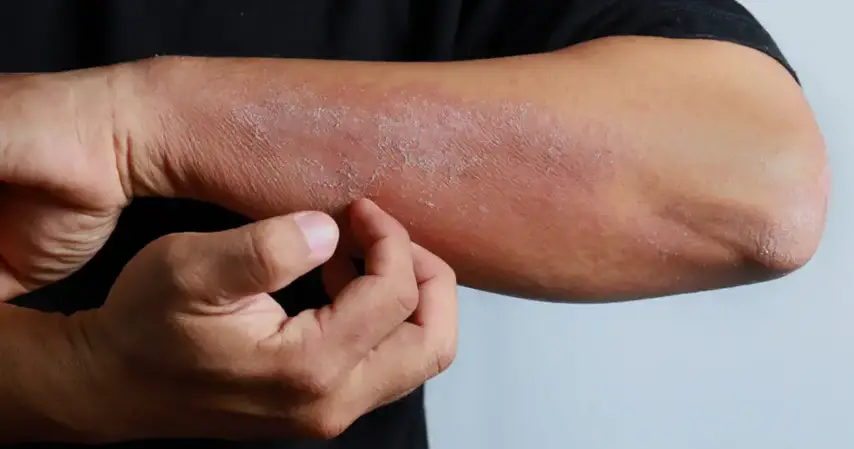
One of the most common forms, as stated previously, is dyshidrotic eczema.
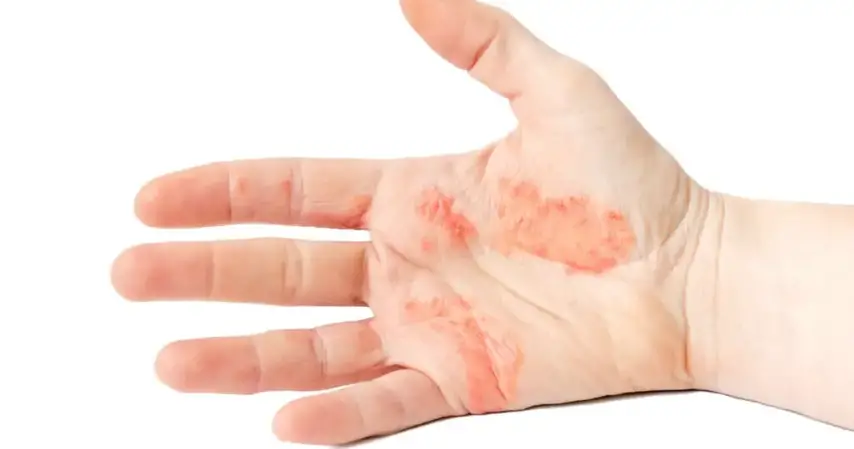
Dyshidrotic eczema (pompholyx) is a chronic, recurrent skin condition that causes itching and often appears symmetrically on the palms, fingers, and soles. It is marked by small, deep-seated vesicles measuring 1–2 mm, which eventually resolve with scaling after a few weeks.
There is some disagreement about the exact terminology and definitions, but this condition is also referred to as pompholyx, acute and recurrent vesicular hand dermatitis, acute palmoplantar eczema, vesicular endogenous eczema, cheiropompholyx (when affecting the hands), podopompholyx or pedopompholyx (when affecting the feet), and cheiropodopompholyx.
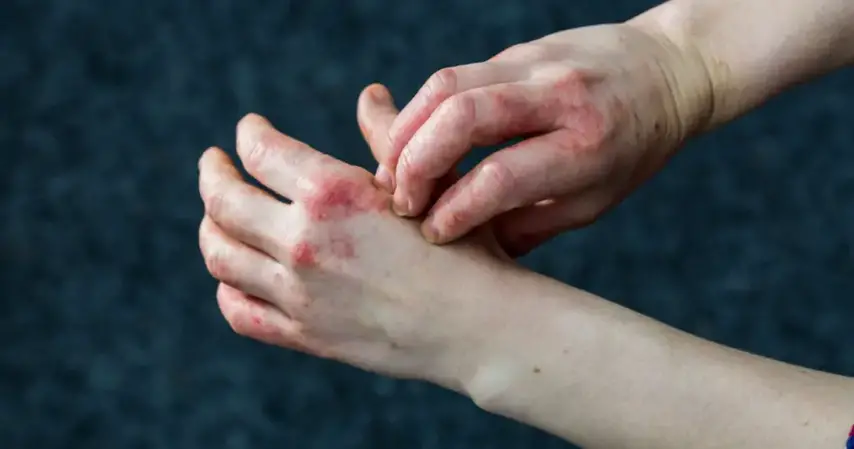
Of course, not every inflammation of the skin is related to this type of eczema, so before you even start treatment make sure you are properly diagnosed.
Some of the most common symptoms of dyshidrotic eczema are:
- Deep-set blisters on hands and feet (specifically on the edges of the fingers, toes, palms, and soles of the feet)
- Itching
- Redness
- Flaking
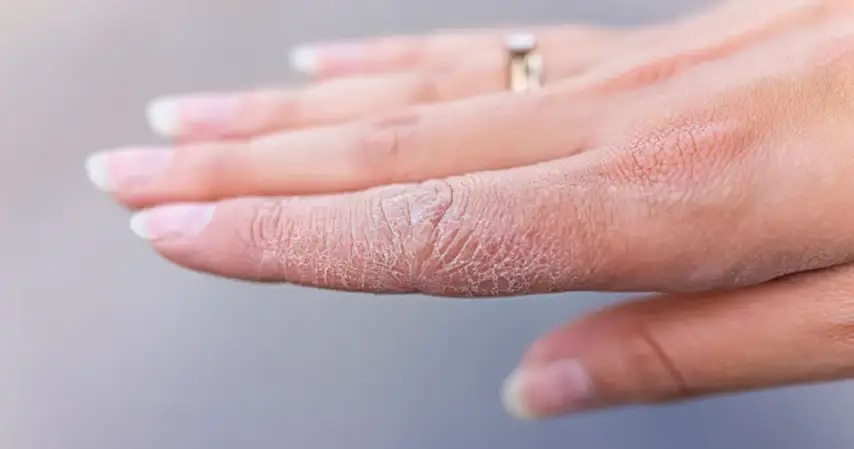
- Scaly, cracked skin
- Pain
People with contact dermatitis, atopic eczema, or hay fever are at a higher risk of developing dyshidrotic eczema. Sadly, it has a tendency to get infected, which delays the healing process.
Although there is no cure and no surefire way to prevent flare-ups from taking place, an effective skincare routine can bolster your skin’s resistance to inflammation.
The most conventional treatment for dyshidrotic eczema are creams, which likely include corticosteroid creams or ointment or a prescribed injection or pill.
Other treatments include:
- UV light treatments
- draining large blisters
- antihistamines
- various anti-itch creams
- immune-suppressing ointments, such as Protopic and Elidel
Besides these conventional methods, there are also natural ways of treating and soothing the condition. Generally, maintaining clean and moisturized skin is one of the most effective methods for managing eczema. The type of treatment and its frequency will depend on your specific symptoms, but these natural, at-home approaches enable you to feel confident about the products you use on your skin.
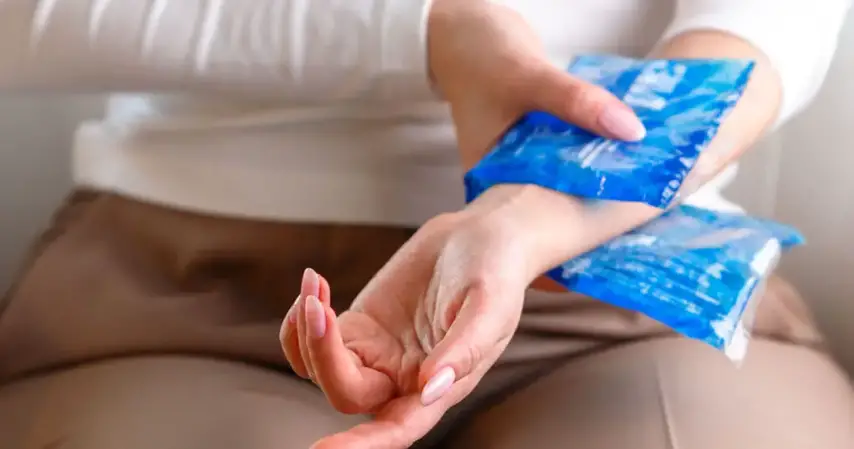
Cold Compresses
To reduce the inflammation of the skin, soak the affected area and apply cold compresses for 15 minutes. Repeat this process two to four times throughout the day and then apply moisturizer to the affected area for maximum effectiveness.
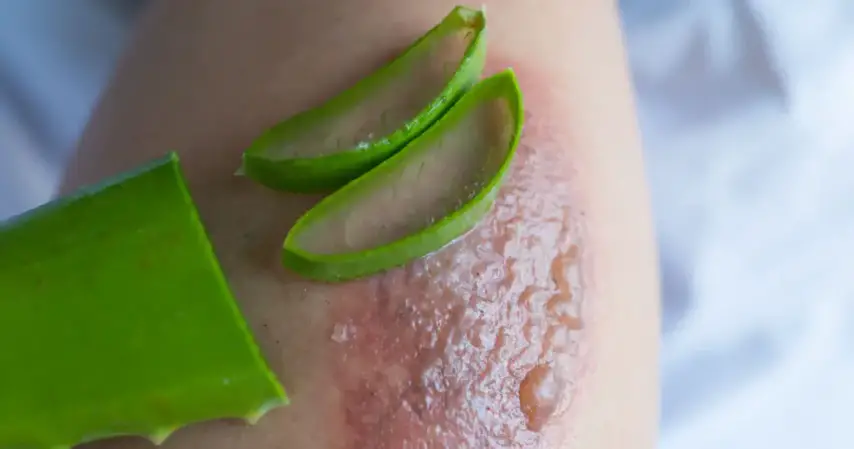
Aloe Vera
Renowned for its ability to soothe irritated skin and accelerate the healing process, aloe vera can help reduce the symptoms of eczema. For best results, break off a piece of the plant and apply the thick gel directly to your inflamed skin. Alternatively, you can purchase a bottle of natural aloe vera lotion from your local pharmacy.
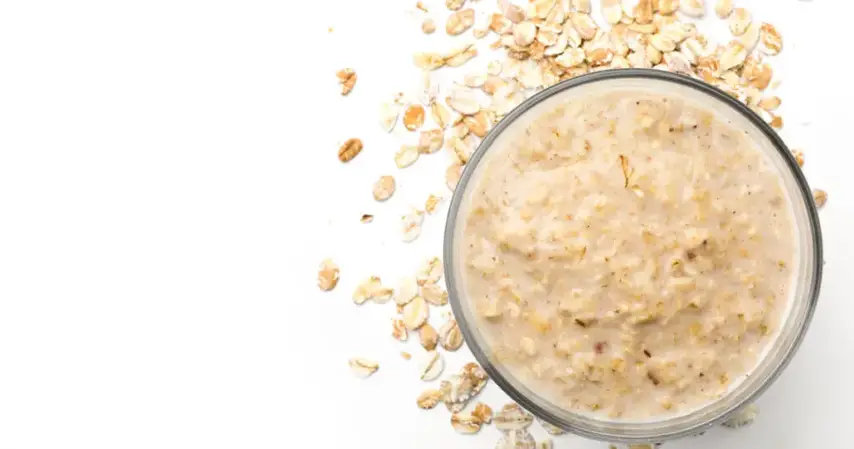
Oatmeal
Due to its proven anti-inflammatory properties, oatmeal is often used to alleviate skin conditions, including dyshidrotic eczema. Applying oatmeal directly to irritated skin can help reduce eczema symptoms, leaving your skin feeling healthy and soothed.
Please SHARE this article with your family and friends on Facebook.
Bored Daddy
Love and Peace