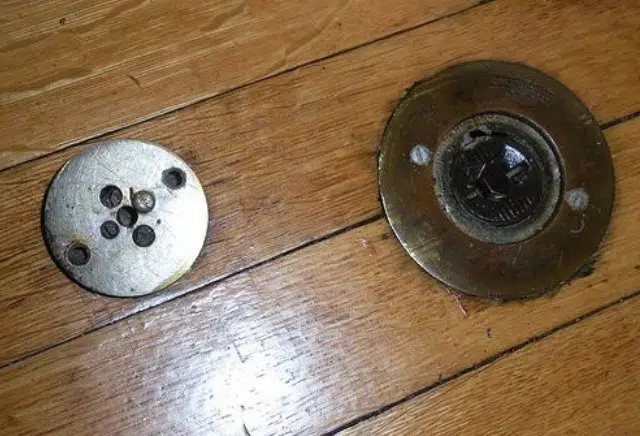
A tiny button hidden beneath a rug or near a dining table once allowed wealthy homeowners to summon servants without saying a word. With a simple step, they could quietly request assistance without interrupting conversations or attracting attention.
These discreet devices were known as servant call buttons and were part of traditional household communication systems. They became especially popular in large Victorian and Edwardian homes, where wealthy families employed numerous servants to manage everyday household duties.
The buttons were often installed beneath carpets, beside dining chairs, or near furniture where homeowners could easily reach them with their feet. When pressed, they activated an electrical signaling system that alerted servants elsewhere in the house.
In some homes, the signal appeared on an indicator panel in the servants’ quarters, showing which room required assistance. This allowed staff to respond quickly without homeowners needing to shout or leave their seats.
Such systems reflected the social structure of wealthy households during the nineteenth and early twentieth centuries. Having domestic servants was considered a symbol of financial success, and even small conveniences demonstrated the importance placed on comfort and personal service.
Today, these forgotten buttons can occasionally be discovered during renovations of historic houses, particularly beneath old carpets or near dining areas. Some homeowners initially mistake them for ordinary electrical switches or decorative fittings.
Modern technology has largely replaced these systems with telephones, intercoms, wireless doorbells, and smart-home devices. However, the original mechanisms remain fascinating examples of early domestic innovation.
These tiny hidden buttons offer a glimpse into a different era, when a simple movement of the foot could summon assistance and reveal the wealth, privilege, and social hierarchy of an entire household.