Preventing and Managing Head Lice
Head lice are widespread, and any child interacting with others is at risk. From affluent communities to less privileged areas, head lice can be found everywhere. Although treating head lice is essential, teaching kids to avoid them is equally crucial. Since lice can’t jump or crawl into your home, preventing infestations isn’t as challenging as it may seem.
Tips to Prevent Head Lice
- Avoid Sharing Personal Items
- Encourage kids to avoid sharing items that touch the head, such as hairbrushes, combs, hats, scarves, and pillows.
- Properly Store Personal Belongings
- Teach kids to hang coats and hats on individual hooks or separate areas at school, instead of tossing them into a communal pile.
- Regularly Clean Shared Items
- Frequently clean items that come into contact with your child’s head, like car seats, pillows, and headphones.
- Familiarize Yourself with Head Lice
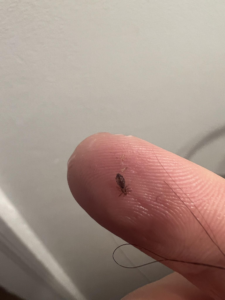
- Review pictures of head lice and nits (empty egg casings) to recognize them in your child’s hair.
- Weekly Checks
- Inspect your child’s hair at least once a week. Look for lice and nits, particularly at the back of the head, near the neck, and behind the ears. Use conditioner to ease combing through damp hair.
- Recognize Symptoms
- Be alert for symptoms such as an itchy scalp and red bumps on the neck or scalp. If you find lice, remain calm and proceed with treatment.
- Pre-Sleepover and Field Trip Precautions
- Review these prevention steps before sleepovers, school trips, or camping outings.
- Avoid Ineffective Measures
- Short hair or ponytails won’t prevent lice. Special shampoos and sprays are also ineffective unless treating an active infestation. Use only approved treatments if lice are found.
- Stay Informed
- Be extra cautious if lice are frequently reported at school or in your child’s classroom.
Preventing the Spread of Head Lice
If your child contracts head lice, follow these tips to prevent recurrence and spreading:
- Remove All Nits
- Ensure you remove every nit, as missing some can lead to a persistent infestation with ongoing hatching.
- Inform Others
- Notify other parents, especially those of close contacts, so they can check and treat their children if necessary. This helps prevent reinfestation.
Head lice commonly spread through direct head-to-head contact. Although you can’t eliminate all risks, early detection and encouraging non-sharing of head-touching items are key. While it’s important to prevent lice, remember that using protective gear like helmets is crucial for avoiding serious injuries.