Navigating the roads can sometimes feel like solving a puzzle, especially when it comes to understanding right of way. In this article, we’ll dive into a common traffic dilemma: which car has the right of way when there are no signs to guide us. Let’s break it down in a fun and engaging way!
Testing Your Traffic Knowledge
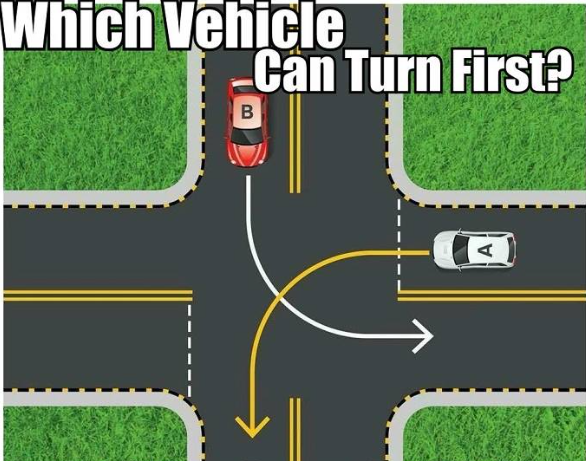
Imagine you’re at an intersection without any traffic signs. You see two cars approaching: Car A (white) and Car B (red). At first glance, it might seem tricky to determine who has the right of way. So, which one do you think it is?
The Right of Way Dilemma
In situations like this, understanding the rules of the road is crucial. Here’s how we can analyze the scenario:
- Observe the Road Markings: The first thing to notice is the dotted lines on the ground. These markings often indicate lanes and help guide drivers on how to navigate the intersection safely.
- Identifying the Cars’ Positions: If Car A is behind the dotted line and Car B is already in the intersection, then Car A must yield to Car B. This is a fundamental principle of driving: the vehicle already in the intersection has the right of way.
Making the Right Decision
Now, let’s consider the question: Can both cars make the turn at the same time? The answer is a resounding no. Attempting to turn simultaneously poses a high risk of collision.
- Safety First: Always prioritize safety when driving. If you find yourself in this situation, it’s best to wait for the other vehicle to clear the intersection before proceeding.
What Would You Do?
Put yourself in the driver’s seat. If you were behind the wheel of Car A, what would you do? Would you speed up to try to make the turn, or would you patiently wait for Car B to pass?
- Patience is Key: In traffic situations, patience can prevent accidents. Even if you think you can fit through, it’s essential to assess the situation carefully.
Why Understanding Right of Way Matters
Understanding right of way isn’t just about following rules; it’s about ensuring everyone’s safety on the road. Here are a few reasons why this knowledge is essential:
- Prevents Accidents: Knowing who has the right of way can significantly reduce the risk of collisions.
- Promotes Smooth Traffic Flow: When drivers understand and respect right of way rules, traffic moves more efficiently.
- Builds Confidence: Being knowledgeable about traffic rules helps you feel more confident behind the wheel, allowing you to make quicker and safer decisions.
The Conclusion: Car B Has the Right of Way

To wrap it up, in our example, Car B (the red car) has the right of way. Car A (the white car) must wait until Car B has cleared the intersection before making its turn. This scenario highlights the importance of understanding traffic rules and being aware of your surroundings.
Did you enjoy this little challenge? Traffic scenarios are not just tests of knowledge; they help us become better, safer drivers. So why not share this challenge with your friends? It’s a fun way to spark discussions about road safety and improve everyone’s traffic knowledge!