Ear infections are often associated with children, but did you know that they can also affect adults? In fact, 20% of adults still experience ear infections. Bacteria and viruses don’t discriminate based on age.
It’s important for those with weak immune systems or ear inflammation to be vigilant and recognize the signs early for quick treatment. In this article, we’ll explore six crucial signs of an ear infection, as well as prevention tips to protect your hearing.
1. Itchiness
One of the initial signs of an ear infection is mild itchiness in the inner ear canal. If left untreated, this itchiness can worsen over time. If you find yourself frequently itching your ears, it may be worth consulting your doctor to rule out an infection. Remember, early detection is key to swift treatment and relief.

2. Redness
As an ear infection progresses, redness can begin to develop both inside and outside the ear. This redness is a clear sign of inflammation and should not be ignored. If you notice any unusual redness in or around your ears, it’s important to take it seriously and seek medical advice.
3. Discomfort or Pain
Ear pain is a common symptom of an ear infection, especially in the early stages. You may experience general discomfort or aching in your ear, particularly when manipulating the earlobe or tragus. As the infection progresses, you may also feel a sense of fullness in the ear. In some cases, the pain may even radiate to your face, neck, or head. Don’t ignore these signs of discomfort, as they may indicate an underlying infection that requires attention.
4. Drainage of Fluid
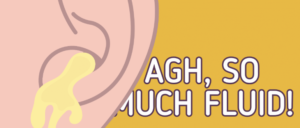
Another sign to watch out for is the drainage of fluid from the affected ear. Initially, this drainage may be minimal and odorless. However, as the infection advances, it can become excessive. If you notice any unusual fluid discharge from your ear, it’s important to consult your doctor for an accurate diagnosis and appropriate treatment.
In severe cases, ear infections can lead to muffled hearing or persistent ringing in the affected ear. Additionally, untreated infections can cause visibly swollen lymph nodes and may be accompanied by fever due to a blockage in the ear canal. If you experience any of these symptoms, it’s crucial to seek medical attention promptly.
Prevention Tips for Ear Infections
Taking preventive measures can go a long way in protecting your ears from infections. Here are some tips to help you reduce the risk:
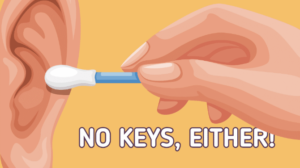
Avoid using cotton swabs: While it may be tempting to use cotton swabs to clean your ears, they can actually push earwax deeper into the ear canal, potentially causing more harm than good. It’s best to avoid using cotton swabs altogether and let your ears clean themselves naturally.
Say no to foreign objects: It’s important to refrain from inserting foreign objects like keys, hairpins, or paper clips into your ears. These objects can worsen irritation and even damage the delicate skin in the ear canal. Stick to gentle cleaning methods recommended by your healthcare provider.
Protect your ears while swimming: If you’re prone to ear infections, consider wearing a swimming cap to prevent water from entering your ears. Comfortable earplugs specifically designed for swimming can also provide an extra layer of protection. Consult your doctor for recommendations based on your specific needs.
Dry your ears after water exposure: After being exposed to water, it’s important to dry your ears thoroughly to prevent moisture buildup, which can create an ideal environment for bacteria and viruses to thrive. Tilt your head to the side and gently use a towel to dry your ears. If water persists, you can use a blow-dryer on a low speed and heat setting to ensure thorough drying. Just be sure to keep a safe distance from your ear to avoid any heat-related injuries.
Remember, while these prevention tips can help reduce the risk of ear infections, it’s always advisable to consult your doctor for personalized advice. They can provide you with additional precautions based on your medical history and specific needs.
Have you ever experienced an ear infection? How did you handle it? We’d love to hear about your experience in the comments below!