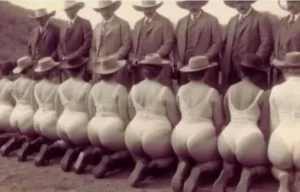
In the early 1900s, the expectations for wives, particularly in Western societies like the United States and Europe, were heavily influenced by societal norms, cultural values, and economic conditions of the time. Here are some key aspects of what wives were expected to do in public during this era:
1. Adhere to Social Etiquette and Decorum
- Manners and Behavior: Wives were expected to exhibit refined manners, speak politely, and act with grace and modesty. Public displays of affection, loud talking, or boisterous behavior were generally frowned upon.
- Dress Code: Women, especially wives, were expected to dress modestly and fashionably according to the standards of the time. This often meant wearing long dresses, corsets, and hats when out in public.
2. Maintain Domestic Roles
- Household Management: A wife’s primary role was seen as managing the household, including cooking, cleaning, and raising children. In public, she often carried the responsibility of purchasing groceries and household goods.
- Supportive Spouse: Wives were expected to support their husbands in social functions, being gracious hostesses or polite companions, and upholding their husband’s social standing.
3. Participate in Social and Community Life
- Social Gatherings: Wives often attended social gatherings such as tea parties, church functions, and community events. These gatherings were opportunities for socializing and reinforcing social bonds.
- Charitable Work: Many women participated in charitable activities, supporting local causes, and engaging in philanthropic work. This was seen as an extension of their nurturing role.
4. Conform to Gender Roles and Expectations
- Submissiveness: There was a strong expectation for wives to be submissive to their husbands. This was reflected in public interactions where a wife was expected to defer to her husband’s opinion and authority.
- Reputation Management: Maintaining a good reputation was crucial. Wives had to be careful not to engage in any behavior that could be seen as scandalous or bring shame to their family.
5. Cultural and Regional Variations
- Urban vs. Rural Differences: Expectations could vary between urban and rural areas. In cities, the emphasis might be more on social appearances and fashion, while in rural areas, practicality and community involvement could be more emphasized.
- Ethnic and Socioeconomic Influences: Different ethnic and socioeconomic groups had varied expectations and roles for wives. For example, immigrant communities often maintained their own traditions and practices regarding family roles.
6. Public Engagement and Suffrage Movement
- Emerging Public Roles: Towards the latter part of the early 1900s, the role of women began to evolve with the growing women’s suffrage movement. Wives increasingly became involved in advocating for women’s rights and public engagement in social reforms.
- Education and Employment: More women began pursuing higher education and entering the workforce, challenging traditional roles and slowly changing public perceptions.
7. Obligation to Display Familial Values
- Family First: Publicly, wives were expected to showcase their role as devoted mothers and caregivers, often with a focus on family values and domestic bliss.
- Marriage as Partnership: While traditional gender roles were emphasized, there was also an expectation for a visible partnership in marriage, where the wife supported her husband’s public endeavors.
Key Examples:
- Public Dress and Behavior: Women wearing long dresses with corsets and hats, walking demurely and not drawing unnecessary attention.
- Community Functions: Wives organizing and participating in community events, showcasing their families as model units.
- Supporting Husbands: Attending public events with their husbands, often walking a step behind to signify support.
Visual Representation:
Imagine scenes from movies or TV shows set in the early 1900s like Downton Abbey or Little Women, which often depict these social norms and expectations for wives.
Understanding these societal norms provides insight into how much the roles and expectations of wives have evolved over the past century, reflecting broader changes in gender roles and societal structures.