The death of a loved one is undoubtedly one of the most difficult experiences we can face in life. It leaves us feeling lost, dejected, and grappling with intense emotions that can seem overwhelming.
While the process of grieving and healing is a deeply personal journey, research has uncovered some fascinating insights into the unconscious ways our bodies react to the scent of death.
When someone passes away, their body immediately begins the process of decomposition. This natural process gives rise to a foul-smelling organic compound called putrescine, which is produced by the breakdown of amino acids. Putrescine is closely related to another compound, cadaverine, both of which are telltale signs of a decaying body.
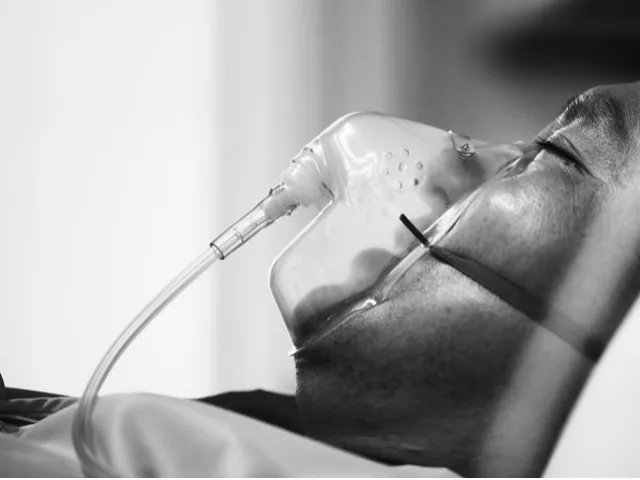
Interestingly, researchers have discovered that humans and animals alike possess an innate, subconscious ability to detect the scent of putrescine.
A study conducted by Arnaud Wisman from the University of Kent and Ilan Shira from Arkansas’ Tech University revealed that when people are exposed to the odor of putrescine, they exhibit an immediate “fight-or-flight” response, similar to the way animals react to the presence of a predator or a threat.
This instinctive reaction is believed to have evolutionary roots, as the ability to detect the scent of death would have been crucial for survival. By recognizing the warning signs of decay, our ancestors could avoid potential sources of disease and danger, ultimately increasing their chances of survival.

Interestingly, the study found that people were largely unaware of their negative reactions to the scent of putrescine. Even though the participants demonstrated clear avoidance behaviors, they did not consciously associate the odor with death or fear. This suggests that our responses to certain scents are deeply ingrained and operate on a subconscious level.
The researchers also drew an interesting comparison between the way people react to putrescine and the way they respond to sex pheromones. While sex pheromones are designed to attract a mate, putrescine serves as a warning signal, triggering the opposite response – avoidance and hostility. This highlights the versatility of our sense of smell and its ability to inform our emotions, preferences, and attitudes in complex ways.

By understanding the unconscious link between the scent of death and our instinctive reactions, we can perhaps gain a deeper appreciation for the challenges of grieving. The sudden exposure to the lingering scents associated with a loved one’s passing may trigger unexpected emotional and physiological responses, adding to the already overwhelming experience of loss.
The science behind our instinctive reactions to the scent of death is a fascinating and often overlooked aspect of the human experience. By shedding light on the subconscious ways our bodies respond to the signs of decay, we can better understand the complex and deeply personal process of grieving, and perhaps find new ways to support one another through the most difficult of life’s transitions.