How to Handle Ticks in Your Home
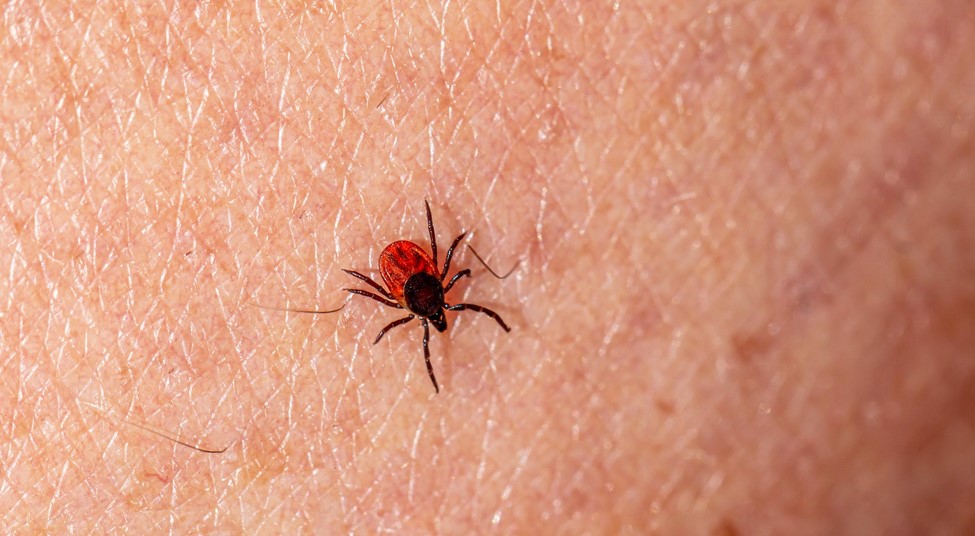
Ticks are small, blood-sucking parasites found in forests, grasslands, and gardens. They can also enter homes, especially if pets are present. If you find a tick in your house, don’t panic. Take swift action to prevent disease spread.
Identify the Tick
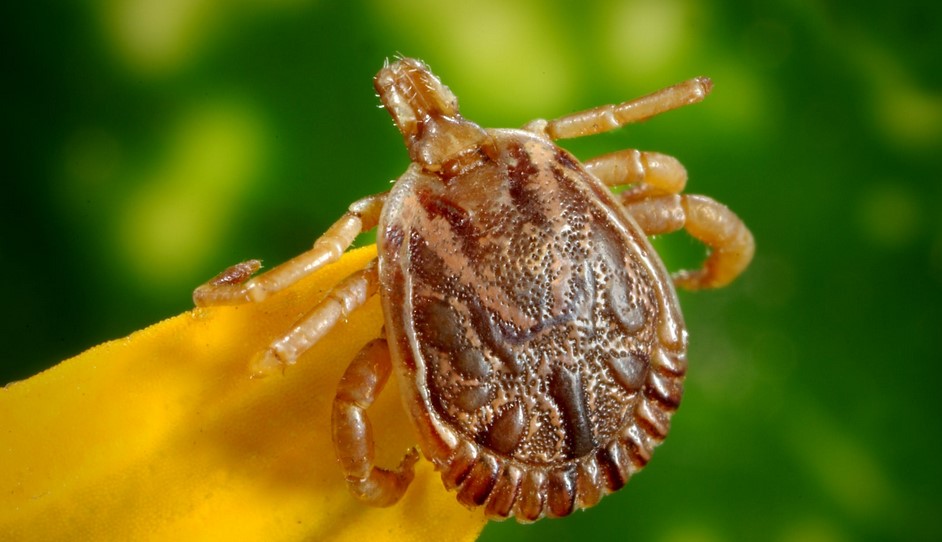
First, identify the type of tick. Some species are more dangerous than others. If you’re unsure, take a clear photo and consult a medical professional or pest control expert.
Remove the Tick
Next, remove the tick. Use tweezers or a tick removal tool to grasp it as close to the skin as possible and pull it out gently. Avoid squeezing or twisting the tick, as this can cause the head to break off and remain in the skin.
Dispose of the Tick
After removal, dispose of the tick properly. Place it in a sealed plastic bag or container and discard it in your outdoor garbage bin. Do not crush the tick with your fingers, as this can release disease-causing pathogens.
Clean the Area
Clean the area thoroughly with soap and water to prevent infection or disease transmission. You can also use rubbing alcohol or hydrogen peroxide to disinfect the area.
Check for Other Ticks
Check your home for other ticks. They can hide in carpets, bedding, and furniture. If you have pets, use a fine-toothed comb to check their fur for attached ticks.
Prevent Future Infestations
To prevent future tick infestations:
- Keep your home clean and clutter-free.
- Seal cracks or gaps in walls or the foundation.
- Use tick repellent on your pets.
- Regularly check pets and family members for ticks after outdoor activities.
Ticks and Health Risks
Ticks can transmit diseases like Lyme disease, Rocky Mountain spotted fever, and tularemia. If you or a family member develop symptoms such as fever, rash, or muscle aches after a tick bite, seek medical attention immediately.
Finding a tick in your house can be alarming, but you can prevent harm with the right steps. Identify and remove the tick, dispose of it properly, clean the area, check for other ticks, and take preventive measures. By following these steps, you can keep your home tick-free and reduce the risk of tick-borne diseases.