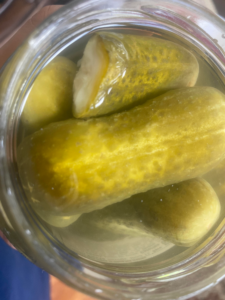
Can Pickles Go Bad?
Pickles are a beloved snack, condiment, and ingredient known for their tangy taste and long shelf life. However, like all foods, pickles can go bad under certain conditions. Understanding the signs of spoilage, how to store pickles properly, and the factors that affect their longevity can help ensure you enjoy them at their best.
Do Pickles Expire?
Pickles are preserved in a vinegar-based brine or a salt solution, which naturally extends their shelf life. The acidic environment prevents the growth of many harmful bacteria, allowing pickles to last longer than many other foods. While pickles can last for a long time, they are not immune to spoilage.
Here are some factors that influence whether pickles can go bad:
- Storage Method:
- Refrigeration: Pickles stored in the refrigerator usually last longer than those kept at room temperature. The cold environment helps maintain their freshness and prevents bacteria from growing.
- Pantry Storage: Unopened jars of pickles can be stored in a cool, dark pantry. Once opened, they should be moved to the refrigerator to preserve their quality.
- Type of Pickles:
- Fermented Pickles: Naturally fermented pickles, such as sauerkraut and kimchi, contain beneficial bacteria that can continue to ferment over time. This means they might change in flavor and texture but are less likely to spoil quickly.
- Vinegar-Pickled: Pickles preserved in vinegar have a longer shelf life due to the acidity. However, they can still spoil if exposed to contaminants.
- Packaging Integrity:
- Sealed Jars: Pickles in sealed jars with intact lids are less likely to spoil. If the seal is broken or the lid is bulging, it may indicate bacterial growth.
- Damaged Jars: Cracks or leaks in the jar can introduce air and bacteria, leading to spoilage.
Signs That Pickles Have Gone Bad
Knowing how to spot the signs of spoilage is crucial to avoid consuming spoiled pickles. Here are some common indicators that your pickles may no longer be safe to eat:
- Off Smell:
- A sour or unpleasant odor indicates spoilage. If your pickles emit a foul smell, it’s best to discard them.
- Mold Growth:
- Mold inside the jar or on the pickles themselves is a clear sign that they have gone bad. Mold can appear as white, black, or green fuzzy patches.
- Discoloration:
- While pickles naturally change color over time, an unusual discoloration (e.g., dark spots) can signal spoilage.
- Texture Changes:
- Slimy or overly soft pickles indicate bacterial growth. Fresh pickles should be firm and crisp.
- Gas Bubbles or Foam:
- Excessive gas bubbles or foam in the brine may indicate fermentation gone wrong, leading to spoilage.
- Bulging Lids:
- If the jar lid is bulging, it could mean that gases have built up inside, suggesting bacterial activity. This is a strong indicator that the pickles have spoiled.
How to Properly Store Pickles
Proper storage is key to extending the shelf life of pickles and ensuring they remain fresh and delicious. Here are some tips for storing pickles:
- Refrigerate After Opening:
- Once opened, always refrigerate pickles. The cold temperature will help preserve their quality and prevent spoilage.
- Use Clean Utensils:
- Always use clean utensils when removing pickles from the jar to avoid introducing bacteria. Never use your hands, as this can contaminate the brine.
- Seal Tightly:
- Ensure the jar is sealed tightly after each use. An airtight seal helps maintain freshness and prevents air and bacteria from entering the jar.
- Keep Away from Sunlight:
- Store unopened jars in a cool, dark place, away from direct sunlight. Heat and light can degrade the quality of the pickles.
- Observe Expiration Dates:
- While pickles can last beyond the expiration date, it’s a good guideline for freshness. Use your senses to determine if they are still safe to eat.
While pickles can last a long time due to their preservation methods, they are not invincible. Over time, they can go bad, especially if improperly stored or exposed to contaminants. By understanding the signs of spoilage and following proper storage practices, you can enjoy your pickles safely and keep them fresh for as long as possible. When in doubt, trust your senses—if something seems off, it’s better to err on the side of caution and discard the pickles. Enjoying pickles at their best ensures you get the most flavor and quality from this tangy treat.