Tilapia is a popular fish worldwide known for its mild flavor, affordability, and nutritional value. It is high in protein and contains several important nutrients, such as vitamin B12 and vitamin D. However, the safety and ethical concerns related to certain tilapia farming practices can raise potential dangers to its consumption. Let’s delve into the potential benefits and dangers of eating tilapia fish.
What Is Tilapia?
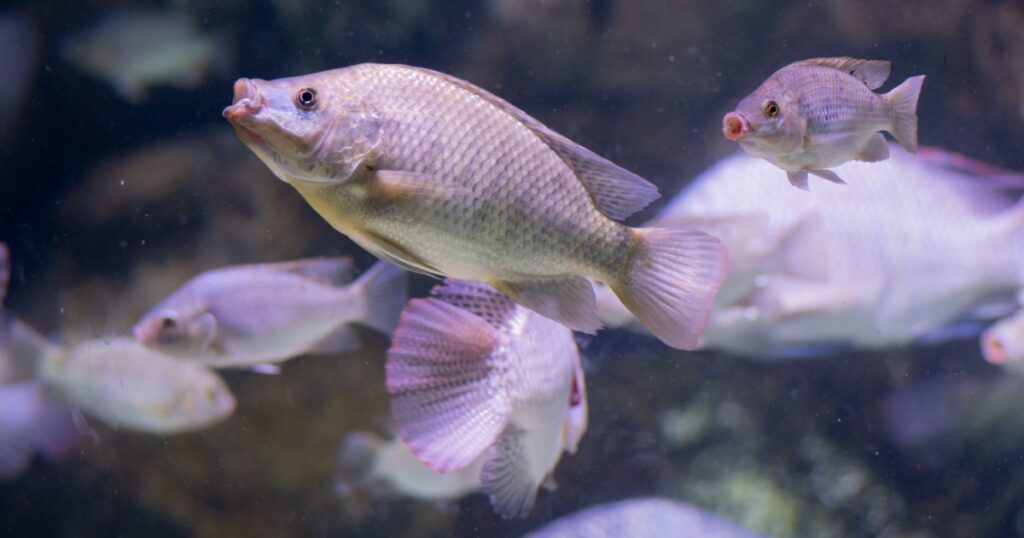
Tilapia is a freshwater fish that belongs to the cichlid family. It is native to Africa and the Middle East, but has been introduced to many other parts of the world. Tilapia are omnivorous, meaning they eat both plants and animals. They are also known for their ability to adapt to different environments and reproduce quickly. Tilapia is a popular fish in many parts of the world, including the United States. It is often used as an alternative to more expensive species like salmon and tuna because it is less expensive and easier to farm. Tilapia can be found in both fresh and saltwater environments, but most of the fish consumed in the U.S. comes from freshwater farms. (1)
Read More: 14 Fish You Should Consider Never Eating
Benefits of Tilapia Fish Consumption

Tilapia fish has numerous health benefits, making it a popular choice among health-conscious consumers. One of the biggest advantages of eating tilapia is that it has a high protein content. A 3.5-ounce serving of tilapia contains up to 23 grams of protein, which is essential for strengthening muscles, repairing tissues, and maintaining a healthy immune system. (2) Tilapia is also low in fat, especially saturated fat, which is associated with a higher risk of heart disease. With only about 3 grams per serving, tilapia is a great option for individuals trying to lose weight or maintain a healthy weight. In addition, it is rich in several essential vitamins and minerals. For example, tilapia contains vitamin B12, which is critical for brain function and the production of red blood cells. It also has vitamin D, which promotes bone health and may help protect against certain cancers and autoimmune diseases.
Potential Dangers of Tilapia Fish Consumption
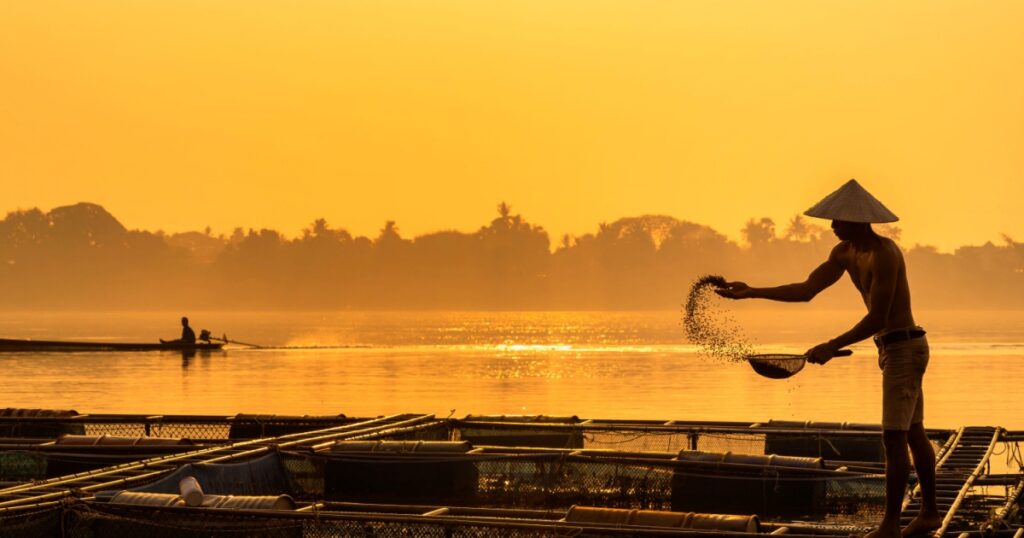
However, certain tilapia farming practices can bring about potential dangers to consuming the fish. Most tilapia farming operations take place in warm climates, as tilapia typically cannot survive in cold water. In such conditions, tilapia can grow quickly and can be adaptable, living even in poor-quality water or overcrowding. (3) While this can result in larger yields, some farmers use cramped conditions to maximize production, leading to disease and overcrowding. If these conditions get out of hand, the tilapia fish can become exposed to several harmful chemicals, pathogens, and pollutants that can pass on to humans upon ingestion.
Some tilapia farmers feed the fish with food that may raise a health concern
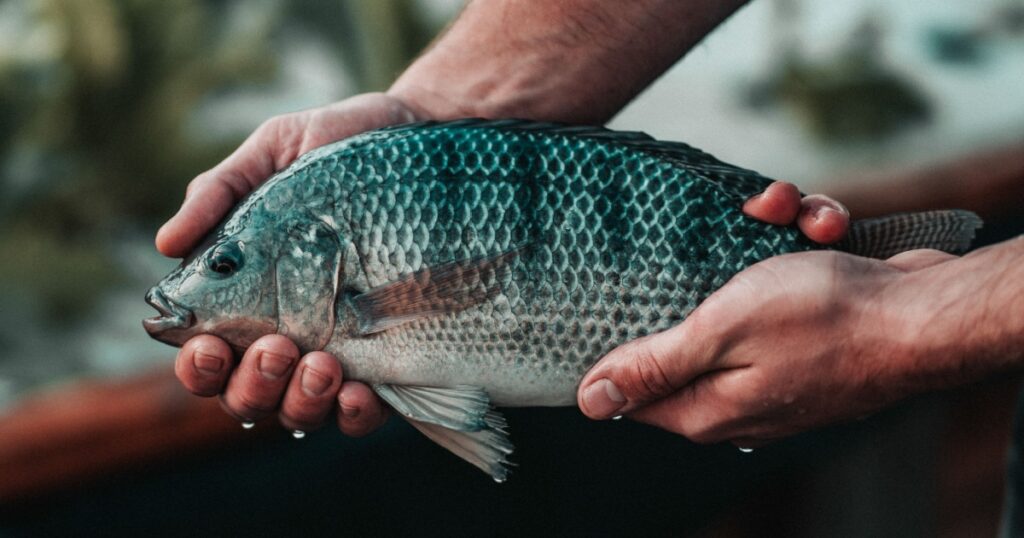
For instance, fish raised in China are commonly fed with feces from other animals, including pigs, and may therefore carry diseases such as salmonella or E. Coli. (4) Furthermore, the level of omega-3 fatty acids, which are essential for promoting heart health and brain function, is low in tilapia compared to other types of fish, such as salmon. While tilapia is still a healthy option compared to processed meats, it may not provide the same health benefits.
Read More: What to Do if a Fishbone Gets Stuck in Your Throat
Choosing Ethically Sourced Fish
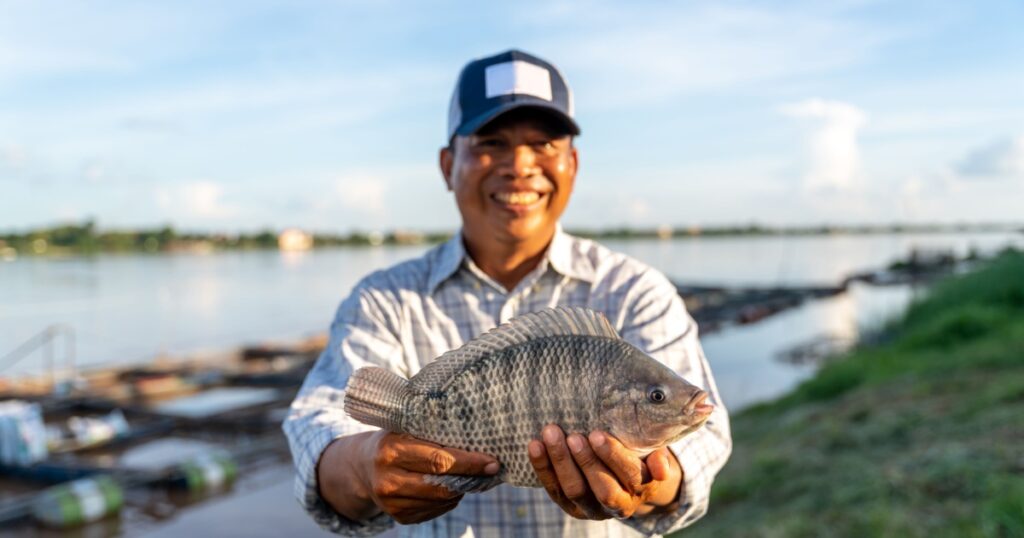
If you’re concerned about the health and safety of your fish, there are a few things you can do to ensure that it’s ethically sourced. First, look for labels that indicate the fish was caught in a sustainable manner. This means that the population of fish is not being depleted by overfishing and that other marine life is not being harmed in the process. Second, choose wild-caught fish over farm-raised ones whenever possible. Labels to look for are “MSC Certified” or “Friend of the Sea.” These labels indicate that the fish was caught in a way that is sustainable and does not harm other marine life. Some sustainable tilapia brands include; tilapia pond farms in Ecuador, blue tilapia raceway farms in Peru, Nile tilapia open-net pen farms in Mexico, Honduras, and Indonesia, and, tilapia recirculating aquaculture system farms in the U.S.
The Bottom Line