I used to think only major symptoms spelled trouble, but the more I researched poop and colon cancer, the more I realized subtle changes in your stool can be an early warning. Blood in your stool, shifts in consistency, or even just going to the bathroom more (or less) often can sometimes point to a serious issue like colon cancer. Of course, these signs aren’t always a cause for panic, because other digestive disorders share similar symptoms. Still, knowing what to look for can help you decide when it’s time to speak with a healthcare professional.
Colon Cancer and Poop: Early Indicators

One of the first hints that something might be off is a change in your usual bathroom routine. Some people notice thinner stools, different colors, or a sudden feeling that they’re just not fully emptying their bowel. Although minor, these signals can be important:
- Narrow “pencil” stools: This can happen when a growing tumor narrows the intestinal passage.
- Pain with defecation (dyschezia): Often tied to rectal cancer.
- Unable to empty the bowel (tenesmus): A hallmark of early-stage rectal cancer.
- Rectal bleeding: Especially common with tumors in the lower bowel.
- Abdominal pain: Triggered when inflammation irritates pain receptors.
- Fatigue: Often arises from anemia caused by internal blood loss.
Poop Changes in Regional Colon Cancer

By stage three, colon cancer may have spread to nearby lymph nodes. At this point, changes in bowel movements can get more pronounced as the tumor digs deeper into intestinal tissues:
- Constipation: Partial blockages can slow things down.
- Diarrhea: Fluids can bypass a partial blockage, leading to loose stools.
- Alternating constipation and diarrhea: This pattern frequently signals something more serious.
- Blood in stool (hematochezia): Ranges from bright red to darker hues, depending on tumor location.
- Tenesmus: Worsens as the tumor and inflammation increase.
- Abdominal bloating and cramps: Gas build-up can’t pass easily if the bowel’s narrowed.
- Iron deficiency anemia symptoms: Nearly half of individuals with colon cancer develop anemia.
Scar tissue and strictures can develop as the tumor grows, sometimes leading to partial or full blockages. Even if you don’t always see bleeding in your stool, it can still be happening internally.
Poop Changes in Advanced Colon Cancer
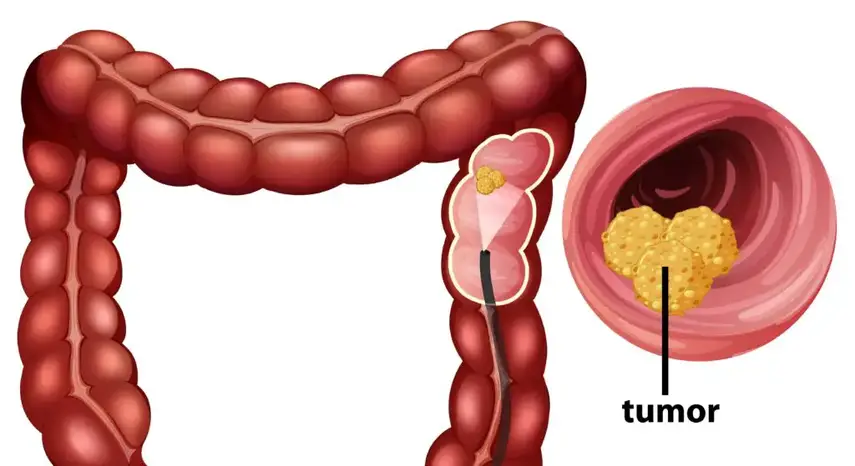
Stage four colon cancer typically means the disease has spread to distant organs. Obstruction and bleeding often escalate, making signs more apparent. If the tumor is on the right side of the colon, your stool might become dark and sticky (melena), since blood mixes with oxygen and hemoglobin during its longer journey through the intestines.
- Nausea and vomiting: Common once the blockage is severe.
- Unexplained weight loss: Chronic inflammation can suppress appetite and lead to muscle loss.
At this stage, the bowel wall may weaken, sometimes causing perforations. Additional symptoms can appear if cancer reaches the liver, lungs, or bones. Surprisingly, some people with advanced colon cancer don’t experience many bowel-related symptoms if there’s no blockage or bleeding.
Key Takeaways
I’ve found it crucial to learn about poop and colon cancer because seemingly small changes in your bathroom habits might be an early alarm. Blood in the stool, narrower poop, diarrhea, or more frequent trips can all signal trouble, especially if they persist. But remember, other gastrointestinal problems can mimic these changes, so don’t jump to conclusions. If you see something out of the ordinary, talk to a healthcare provider. When caught early, colon cancer is far more manageable—and sometimes, even highly treatable.
Please SHARE this article with your friends and family on Facebook.
Bored Daddy
Love and Peace