When it comes to our health, certain symptoms we often overlook can serve as warning signs that it’s time to visit a doctor.
How often do you pay attention to any changes that happen to your feet and toes?
I guess this part of our body is sometimes overlooked. However, these changes can say a lot about our overall health.
Noel Wicks, a pharmacist and advisor to Excilor, spoke to the Express about the warning signs our feet can hold. Who knew that beyond our socks and shoes there were secrets about our wekk-being?
“We need to keep an eye on our foot health, including our toenails, because it can impact on our overall health and be a sign of [serious] health issues,” Wicks said.
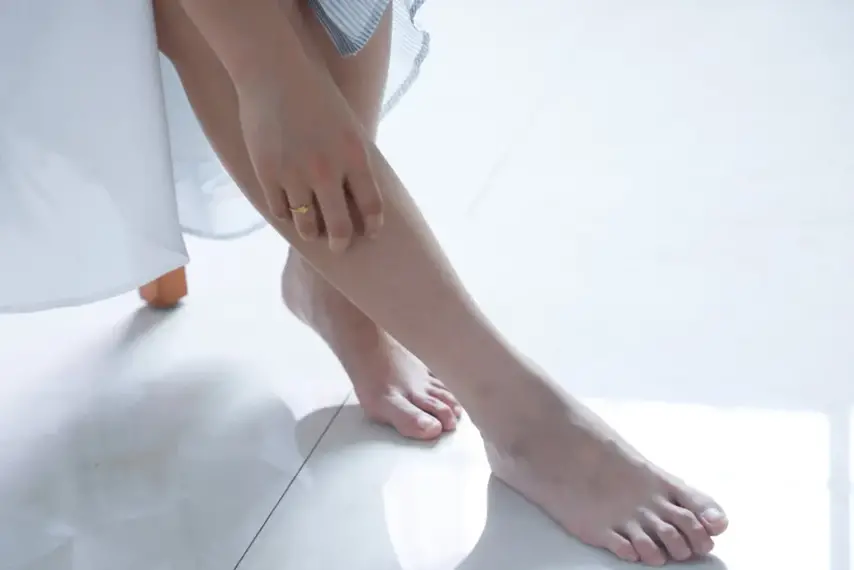
She added that our feet can sometimes feel cold and numb because the blood vessels that supply them with blood are rather tiny and can clog up easily.
Changes in our toenails can also be red flags indicating that it’s time to make an appointment with the doctor.
“Thickening and brittleness of toenails may also occur with heart disease,” the pharmacist said.
PAD, or peripheral vascular disease, is caused by narrowing, blockage, or spasms in a blood vessel.
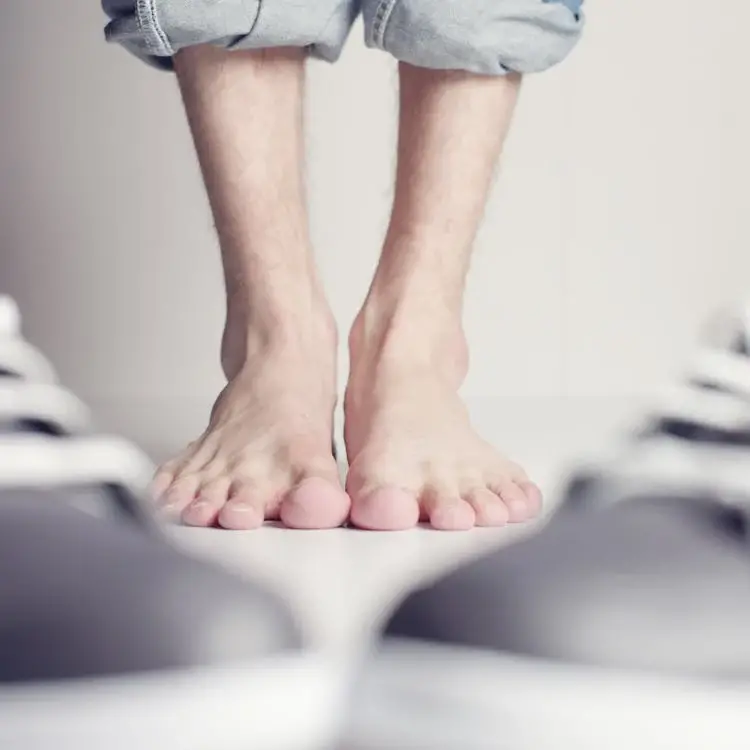
As per NHS, “Many people with PAD have no symptoms. However, some develop a painful ache in their legs when they walk, which usually disappears after a few minutes’ rest. The medical term for this is ‘intermittent claudication.’
“The pain can range from mild to severe, and usually goes away after a few minutes when you rest your legs. Both legs are often affected at the same time, although the pain may be worse in one leg.”
Other symptoms we shouldn’t overlook include tingling, pain, and burning sensations. Dry or cracked skin, as well as blisters or sores that fail to heal, may say a lot too.
Fungal infections and athlete’s foot can also be warning signs of something more serious happening with our body.
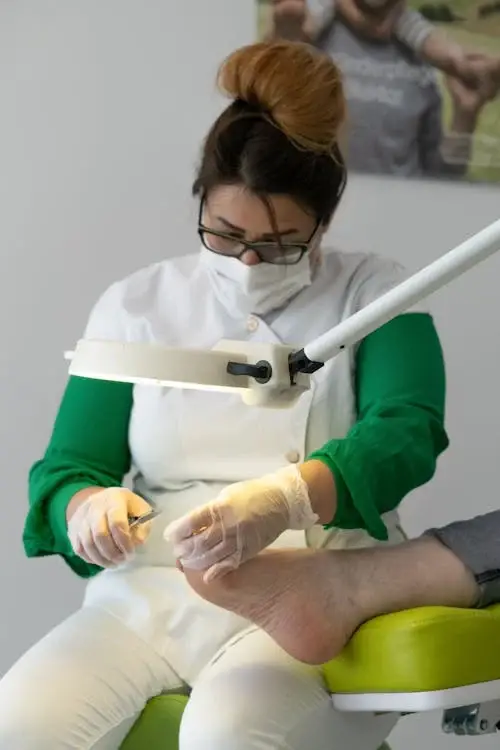
In case you notice changes in the color of your toenails – they get more yellow – you should be aware that it can point to diabetes or heart issues.
Whenever you notice a change on any part of your body, not juts the feet and toes, make sure you seek medical advice.
Please SHARE this article with your family and friends on Facebook.