Being a parent in today’s digital age comes with a whole new set of challenges.
With kids glued to their screens and social media evolving at lightning speed, it’s harder than ever to keep up with what they’re really saying online.
Now, police are warning parents to be on the lookout for a seemingly innocent emoji that could signal something much darker.
The secret language of emojis
Social media and messaging apps have become the primary way kids communicate, but many don’t realize the dangers that come with it. Every child using the internet deserves a safe experience and easy access to online safety resources — but unfortunately, that’s not the reality in today’s world.
From online predators to radical ideologies, children are more vulnerable than ever.
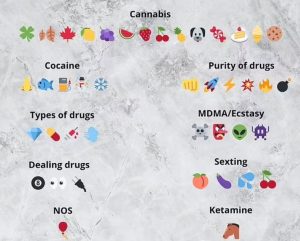
Now, authorities have revealed that certain emojis are being used as secret codewords among young people, and one in particular has raised serious concerns— the horse emoji 🐴.
What the horse emoji really means
While most parents might assume their kid is talking about ponies, the horse emoji is actually being used to reference ketamine, a powerful tranquilizer drug. Ketamine, also known as “Special K,” is increasingly being abused by teens and young adults for its hallucinogenic effects.
The warning comes as law enforcement agencies across the U.S. crack down on hidden drug references being used in online chats and text messages. Police are urging parents to monitor their kids’ digital activity and be aware of the secret meanings behind common emojis.
More emojis parents need to watch for
It’s not just the horse emoji that has a hidden meaning. Police have also released a list of emojis frequently used to reference drugs, including:
Alien, skull, or demon mask – MDMA (Ecstasy or “Molly”)
Snowflake or snowman – Cocaine
Maple leaf, tree, or four-leaf clover – Marijuana
Cake, ice cream, or certain fruits (grapes, lemons, cherries) – Edibles or cannabis products
The list doesn’t stop at drug references either. The popular Netflix series Adolescence recently exposed how the manosphere and incel movements have their own emoji-based code system.
Netflix’s Adolescence and the Hidden World of Online Radicalization
The hit Netflix drama Adolescence has brought attention to the rise of misogynistic online influencers who target young boys.
The show follows a 13-year-old boy who becomes radicalized by manosphere content, ultimately leading to a tragic act of violence.
In the show, emojis are used as secret symbols for incel culture, including:
Dynamite emoji – A symbol for incels, meaning an “exploding red pill”
100 emoji – A reference to the “80/20 rule,” a belief that only 20% of men attract 80% of women
Kidney bean emoji – Used to call someone an incel
Experts warn that the manosphere, a collection of toxic online communities promoting extreme misogyny and anti-feminist ideologies, is drawing in young boys at an alarming rate. Social media platforms have made it easier for these messages to spread, making it crucial for parents to stay informed.
In an article for The Conversation, Dr. Robert Lawson, a sociolinguistics expert from Birmingham City University in the UK, explains how the pill emoji (💊) has been adopted by the movement.
In the film, taking the red pill allows characters to uncover ‘the truth’ and break free from the illusions of the Matrix.

”The cyberpunk blockbuster The Matrix is the source of a key symbol in the manosphere – the red pill,” he said.
Within the manosphere, Dr. Lawson noted that men who claim to be ‘red-pilled’ believe they have awakened to the so-called ‘real’ nature of women’s behavior and dating preferences.
What parents can do
As digital culture evolves, so do the ways kids communicate. While emojis might seem harmless, they can hold hidden meanings that parents need to be aware of. Here’s what parents can do:
Stay informed – Keep up with the latest trends in online slang and emoji meanings.
Have open conversations – Talk to your kids about the dangers of online radicalization and drug use.
Monitor digital activity – Keep an eye on your child’s social media interactions without invading their privacy.
Use parental controls – Many apps have built-in tools to help filter harmful content.
The internet can be a powerful tool, but it also comes with risks.